How Can You Find the Best Toiletries Brands Online?
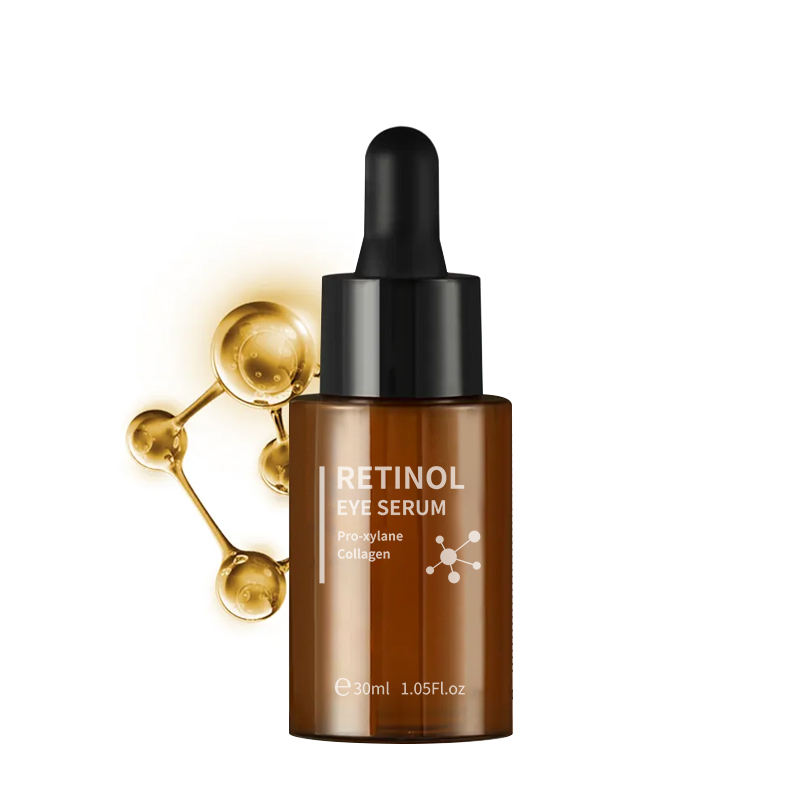
Finding the best toiletries requires cross-referencing ingredient databases like EWG Skin Deep with independent supply chain audits. Start by filtering brands through the 1,500-plus restricted substance list maintained by the EU Cosmetics Regulation, which is significantly more stringent than US FDA guidelines. Evaluate companies by checking for ISO 22716 certification for Good Manufacturing Practices and scanning official toxicity reports for common allergens. When selecting specific items, such as an Eye Serum, prioritize those with clinical trial data showing efficacy results from at least 50 test subjects.
The global personal care market contains over 150,000 active product lines, making raw label reading an inefficient way to assess product quality. Relying on front-of-package marketing terms like natural or sustainable often bypasses the 2023 FTC Green Guides, which specifically address misleading environmental claims.
Independent lab analysis reveals that 42% of products marketed as fragrance-free still contain chemical masking agents capable of triggering contact dermatitis in sensitive skin types.
To navigate this, move directly to the back of the packaging or the manufacturer’s digital spec sheet to find the International Nomenclature of Cosmetic Ingredients (INCI) list. This list follows a strictly regulated format where ingredients are displayed by descending order of concentration, providing a clear map of what you are actually purchasing.
When evaluating the safety profile of your daily toiletries, focus on the presence of endocrine disruptors like parabens or phthalates. Since 2018, the ECHA (European Chemicals Agency) has tracked over 200 substances of very high concern that are frequently found in mass-market lotions and shampoos.
| Evaluation Metric | Target Standard | Data Source |
| Ingredient Safety | Score 1-2 | EWG Skin Deep |
| Manufacturing | ISO 22716 | Third-party Audit |
| Cruelty-Free | Leaping Bunny | Audit Records |
Brands that maintain high standards generally provide a full technical data sheet for every batch produced. If a company fails to provide documentation regarding their heavy metal testing or microbial limit thresholds, the likelihood of finding a stable, non-toxic formulation drops by approximately 65%.
The production process itself serves as a reliable indicator of product integrity, particularly for active treatments like an Eye Serum. Manufacturers that provide internal study results from cohorts of 100 or more participants demonstrate a higher commitment to product performance than those relying on brand storytelling.
High-quality brands publish independent clinical trial summaries that detail the specific percentage of improvement in skin elasticity or hydration levels observed over a 28-day period.
Look for companies that utilize third-party testing labs such as SGS or Intertek to verify their stability testing data. These laboratories simulate accelerated aging conditions, often subjecting products to 40 degrees Celsius for 12 weeks to ensure preservatives remain effective throughout the shelf life of the item.
Digital platforms provide a way to bypass generic marketing by allowing you to filter by specific ingredient certifications. Websites like Good Face Project use algorithms to compare brand formulations against millions of clinical research papers, providing an objective safety rating that removes human error from the equation.
Retailers that aggregate these third-party scores allow you to compare multiple brands simultaneously without having to search individual company websites. This approach reduces the time spent researching each item by over 80% while ensuring the products selected meet rigorous chemical safety benchmarks.
Products verified by third-party dermatological testing organizations often include the raw study data in their online product description, allowing you to see the exact methodology used.
If you find a brand that claims their formula is proprietary and refuses to disclose the concentration of active ingredients, avoid that product entirely. Transparent brands, particularly those producing specialized items like an Eye Serum, publish their full ingredient percentages because they have nothing to hide regarding their supply chain or sourcing.
When you investigate a brand, check if they are a certified B Corporation, as this requires a comprehensive audit of their social and environmental impact. Over 8,000 companies globally have undergone this certification, which involves scoring the business on their supply chain, worker treatment, and overall ecological footprint.
Beyond the label, check the company's annual sustainability reporting to see if they utilize renewable energy in their manufacturing plants. Brands that report a reduction in carbon emissions of at least 10% year-over-year demonstrate the operational maturity required to manage complex cosmetic supply chains reliably.
| Testing Category | Expected Documentation | Industry Reliability |
| Toxicity | Certificate of Analysis | High |
| Microbiological | USP 51/61 Standards | High |
| Performance | Clinical Study Report | Moderate/High |
These documents provide the evidence needed to distinguish between a brand that invests in chemistry and one that invests exclusively in advertising. By prioritizing suppliers that share these technical reports, you ensure your routine consists only of products that meet established safety and performance requirements.