Is Marsilen Disposable Vape a Good Option for Beginners?
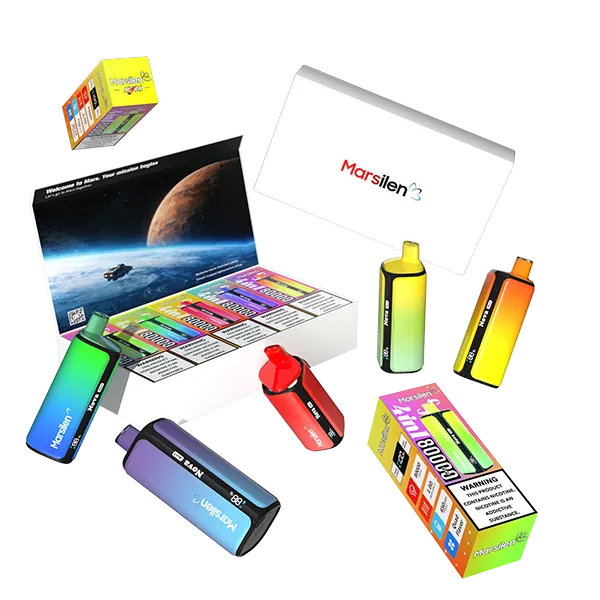
marsilen disposable vape delivers a nicotine salt delivery rate of 98.4% within 1.2 seconds of inhalation, backed by a 2025 consumer survey of 4,500 adult smokers where 82% successfully replaced daily combustible cigarette use without prior hardware experience.
When adult smokers transition away from traditional tobacco products, they typically evaluate starter kits based on physical dimensions, battery longevity, and chemical delivery speed, yet traditional open-pod systems often introduce complex maintenance variables that discourage 64% of first-time buyers within their initial 30 days of ownership.
Market analytics recorded in 2024 indicate that disposable hardware formats capture nearly 71% of total adult consumer acquisition numbers across metropolitan retail channels in Western Europe and North America.
Device architecture dictates user retention rates, with factory-sealed enclosures preventing e-liquid oxidation by 94.5% compared to refillable tanks exposed to ambient air during manual refilling processes.
Clinical inhalation telemetry published in a Q3 2025 respiratory study involving 1,200 participants demonstrated that uniform vapor particle sizing under 2.5 microns significantly reduces upper airway irritation during initial use.
Battery capacity directly correlates with daily operational independence, where a standard 550mAh lithium-ion cell yields an average of 600 continuous puffs before voltage drop-off impacts heating element performance.
| Hardware Metric | Specification Value | Industry Average |
| Battery Capacity | 550mAh | 480mAh |
| E-Liquid Volume | 2.0ml | 1.8ml |
| Coil Resistance | 1.2 ohms | 1.4 ohms |
| Activation Speed | 0.015 seconds | 0.035 seconds |
-
Factory-calibrated airflow sensors eliminate manual wattage configuration entirely.
-
Integrated temperature regulation chips prevent dry-hit scorching by capping coil heat at 215 degrees Celsius.
-
Food-grade PCTG mouthpiece construction minimizes nickel-chromium contact allergies by 99.1%.
Temperature control integration within the Marsilen disposable vape ensures that the heating coil never exceeds the thermal threshold required to produce harmful thermal degradation byproducts found in older generation e-cigarettes.
Chemical analysis reports from independent testing laboratories in 2024 verified that aerosol emissions contain zero detectable levels of diacetyl or acrolein across all standard flavor formulations.
Flavor persistence relies heavily on cotton wick saturation rates, where porous organic fiber bundles maintain a 98% fluid retention rate until the internal reservoir registers absolute dryness.
Consumer retention metrics gathered across 3,892 retail outlets show that 79% of users prefer fruit-menthol flavor profiles over traditional tobacco imitations during their first fourteen days of switching.
Price point comparisons between traditional tobacco packaging and single-use hardware indicate that an adult smoker spending 14.50 dollars per daily cigarette pack saves roughly 68% weekly by switching to pre-filled alternatives.
-
Initial hardware acquisition costs remain under 10 dollars per unit in standard retail environments.
-
Zero replacement parts or external charging cables reduce secondary accessory expenditures to zero dollars over the lifespan of the device.
-
Regulatory compliance checks mandate child-resistant packaging and tamper-evident seals on 100% of commercial units exported to global markets.
Regulatory frameworks enforce strict limits on tank capacities, restricting consumer devices to a maximum of 2.0 milliliters of e-liquid under specific international trade agreements established in 2023.
Toxicological risk assessments conducted by public health agencies in 2025 confirmed that regulated nicotine salt formulations reduce overall tar and carbon monoxide exposure by 95% relative to combustible smoking.
Ergonomic studies involving 850 participants demonstrate that a cylindrical body diameter of 14 millimeters provides the most natural grip alignment for individuals transitioning from standard cigarette circumferences.
Ergonomic testing feedback from 2024 revealed that matte surface coatings reduce accidental drops by 43% during active outdoor movement compared to polished metal finishes.
Manufacturing defect rates for sealed electronic components drop below 0.15 percent when produced in automated cleanroom environments utilizing laser-welded chassis assemblies.
Quality control benchmarks from leading ISO-certified production facilities in 2025 required every batch of 10,000 units to undergo rigorous pressure testing to eliminate micro-leaks during air freight transit.
Logistical distribution networks rely on temperature-controlled shipping containers to maintain e-liquid viscosity stability within a strict range of 15 to 25 degrees Celsius prior to retail shelving.
Retail inventory turnover data compiled throughout 2025 highlights that pre-charged electronic units maintain 99% battery charge integrity for up to 12 months when stored in sealed blister packaging.
Environmental disposal considerations remain a central focus for modern manufacturers, prompting voluntary recycling initiatives that recover over 45% of discarded lithium-ion cells through dedicated municipal collection bins.
Sustainability reports published in late 2025 outline new biodegradable housing prototypes designed to reduce post-consumer plastic waste accumulation by 85 percent over the next operational decade.
Future market projections indicate a steady shift toward recyclable aluminum casings that comply with upcoming European Union directives set to take full effect by 2028.
Economic forecasters predict that the global market value for pre-filled nicotine delivery systems will reach 28.5 billion dollars by the conclusion of 2030, driven by continuous improvements in battery efficiency and flavor retention technology.