What Should You Know Before Buying Hem Brewing Equipment?
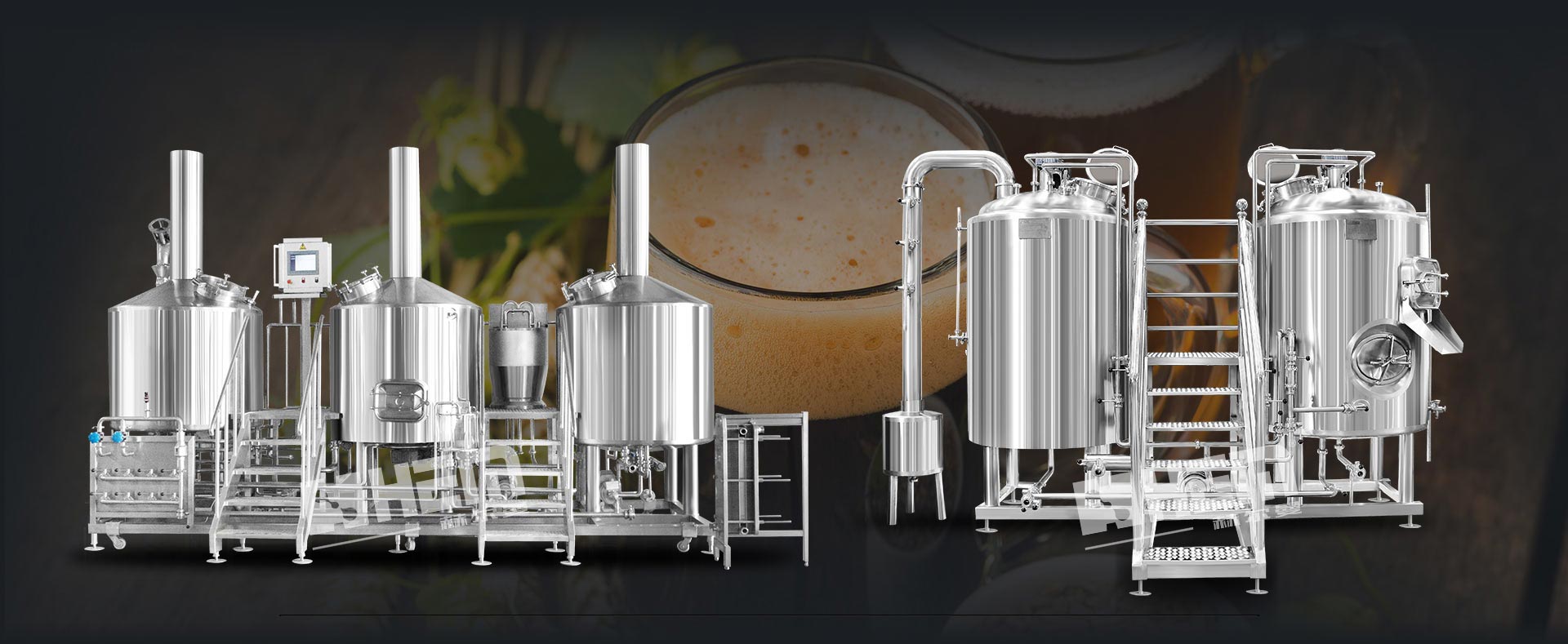
Before buying hemp brewing equipment, buyers should evaluate production volume, material standards, extraction control, sanitation design, and supplier support. A commercial system commonly uses 304 or 316 stainless steel, automated temperature control within ±1°C to ±2°C ranges, and batch capacities from 100 liters for small producers to more than 10,000 liters for large facilities. Since hemp beverage formulations often require stable cannabinoid distribution, equipment with proper mixing and homogenization can reduce product inconsistency. Systems designed after 2018 have increasingly included digital controls, CIP cleaning, and traceability functions to meet beverage manufacturing requirements.
The first factor to examine is the production scale. A brewery producing hemp-infused drinks must match equipment size with actual sales forecasts, facility space, and labor capacity. Small beverage companies often start with 200–1,000 liter batch systems, while industrial manufacturers may install multiple tanks exceeding 5,000 liters per batch. Stainless steel process vessels are widely used in beverage and extraction industries because they support sanitation requirements and repeated cleaning cycles.
| Production level | Typical batch size | Suitable equipment setup |
|---|---|---|
| Pilot production | 50–500 liters | Manual or semi-automatic tanks |
| Growing brands | 500–3,000 liters | Automated mixing and temperature systems |
| Large beverage plants | 5,000+ liters | Integrated production lines |
A company planning only current demand may select a machine that becomes insufficient within 2–3 years. Equipment expansion planning matters because beverage brands often add new flavors, formulations, and package sizes after entering retail channels.
A 2021 beverage processing review found that manufacturers increasingly moved toward automated systems because manual production created larger differences between batches.
Production volume also affects tank design, which connects directly with material selection and equipment durability. The most common materials for hemp beverage processing are food-grade stainless steel 304 and 316L. Stainless steel 316L is often selected for applications involving frequent exposure to acidic liquids, cleaning chemicals, or extraction materials.
Buyers should review:
- Stainless steel grade certification
- Internal surface finish
- Welding quality
- Valve and pipe materials
- Pressure ratings
A tank with a smoother internal surface reduces residue buildup. Many sanitary systems use polished surfaces around Ra 0.8 μm or lower for processing areas, helping cleaning procedures remain consistent.
Material quality influences maintenance frequency, and maintenance requirements affect operating expenses over time. A machine purchased in 2026 may still be operating in 2036, so the original construction quality can influence a decade of production costs.
The next consideration is extraction and infusion control. Hemp beverages are different from traditional beer because hemp ingredients may include extracts, oils, seeds, or botanical components that require controlled dispersion. Hemp beer and hemp beverage producers often add hemp materials during or after brewing rather than replacing traditional brewing ingredients.
A suitable system should control:
| Processing area | Recommended feature |
|---|---|
| Heating | Digital temperature control |
| Mixing | Adjustable agitation speed |
| Extraction | Controlled contact time |
| Filtration | Replaceable filtration stages |
| Storage | Sealed sanitary tanks |
Temperature accuracy affects ingredient stability. Many commercial systems maintain temperature variation within approximately ±1°C to ±2°C depending on equipment design. A wider temperature difference may create inconsistent flavor or ingredient performance between batches.
Mixing technology is another area requiring attention. Hemp-derived ingredients may separate without proper emulsification or agitation. Manufacturers often use high-speed mixers or homogenizers to create more uniform beverage structures.
A beverage batch containing 1,000 liters with uneven ingredient distribution can create measurable differences between early and late filling stages, affecting product consistency.
This makes the selection of hem beer equipment important for producers that need repeatable brewing results across multiple production cycles.
Automation features should also be reviewed before purchasing. Equipment manufactured for modern beverage facilities commonly includes PLC controls, touchscreen interfaces, automatic temperature programs, and production data recording.
A comparison of control levels:
| Control type | Labor requirement | Typical use |
|---|---|---|
| Manual | High | Small test batches |
| Semi-automatic | Medium | Regional beverage brands |
| Fully automatic | Low | Industrial production |
Since 2018, many beverage producers have increased automation adoption as hemp-derived products entered more commercial markets. Automated systems allow operators to record batch temperatures, mixing times, and cleaning procedures.
Cleaning design is another important purchasing factor. Beverage equipment must handle organic materials, plant extracts, sugars, and oils. Poor cleaning access can increase downtime between batches.
Manufacturers should ask suppliers about:
- CIP compatibility
- Cleaning cycle duration
- Chemical resistance
- Spare part availability
- Service response time
A well-designed CIP system can reduce manual cleaning labor by more than 50% compared with fully manual cleaning processes, depending on facility size and workflow.
A production line running 5 days per week can save hundreds of labor hours annually when cleaning procedures are automated.
Energy consumption should also be calculated before purchase. Heating tanks, refrigeration systems, pumps, and mixers all contribute to monthly operating expenses.
| Equipment component | Main energy source |
|---|---|
| Heating jacket | Electricity or steam |
| Cooling system | Refrigeration power |
| Pumps | Electric motors |
| Control systems | Low-voltage electricity |
A machine with a lower purchase price may consume more energy during daily operation. Comparing estimated annual electricity use provides a clearer picture than comparing equipment prices alone.
Supplier experience should receive the same attention as equipment specifications. A manufacturer familiar with hemp beverage production can provide guidance on tank configuration, mixing systems, filtration, and installation requirements.
Before ordering, buyers should review:
- Previous beverage projects
- Installation records
- Technical documents
- Warranty period
- Replacement component supply
Many industrial equipment manufacturers provide customized stainless steel vessels because beverage companies have different production layouts and formulas.
Regulatory requirements should also be checked before production begins. Hemp beverages operate under different rules depending on the country, state, and product category. In the United States, the 2018 Farm Bill established the federal definition of hemp as cannabis containing no more than 0.3% delta-9 THC by dry weight.
Equipment itself should support documentation needs through:
- Batch records
- Cleaning records
- Material certificates
- Production logs
- Quality checks
These records help manufacturers maintain consistent operations when supplying retailers or larger distributors.
Finally, buyers should compare the total ownership cost rather than only the initial machine price. A complete evaluation should include purchase cost, installation, maintenance, energy use, labor requirements, and expected service life.
| Cost factor | Questions to ask |
|---|---|
| Purchase | Does the equipment match production needs? |
| Operation | How much energy does it consume yearly? |
| Maintenance | Are parts easy to replace? |
| Expansion | Can capacity increase later? |
A well-selected system should support stable production for many years. Equipment choices made in the early stage influence product consistency, production speed, and the ability to develop additional hemp beverage products in the future.